How Does Desentupidora Itatiba Work for First-Time Callers
Your kitchen sink has been draining slower for a week, and this morning the water in the shower started backing up around your ankles. You live in Itatiba, you have never hired a drain-cleaning company before, and you are not sure whether this is a five-minute fix or a plumbing emergency. The short answer: a desentupidora Itatiba service handles exactly this situation, usually by sending a technician with professional equipment to diagnose the blockage, clear it, and tell you what caused it so it does not return next month.
This is a first-timer’s walkthrough based on how these services actually run. I went through the process the way a cautious new customer would: what to check before calling, what happens when the technician arrives, what the job typically costs, and which mistakes make a small clog worse. By the end you should know whether you need a professional at all, and how to hire one without overpaying.
Before You Call: What a First-Time Customer Should Check
Not every slow drain needs a truck and a hose. Before you pick up the phone, spend ten minutes confirming what kind of problem you have, because that information changes both the price and the urgency of the visit.
Identify which fixture is backing up
If only one sink or one toilet is slow, the blockage is probably local, close to that fixture. If water backs up in the shower when you flush the toilet, or the kitchen sink gurgles when the washing machine drains, the clog is likely in a shared branch line. That distinction matters: a local clog is a quick job, while a shared line may need a camera inspection and more equipment.
Smell and sound are diagnostic clues
A rotten-egg smell near a floor drain points to a dry trap or a sewer gas issue, not just a clog. Gurgling sounds after water drains suggest air is being pulled through a partially blocked pipe. Write these details down; a good technician will ask, and your answers shorten the diagnosis time.
Stop adding water and clear the area
Once you know there is a real blockage, stop running taps, the dishwasher and the washing machine. Move boxes, rugs and cleaning supplies away from the floor drain or cleanout so the technician can work without moving your belongings. If water is already pooling, shut off the nearest supply valve and avoid using chemical drain cleaners, which can damage older pipes and make the job harder and more expensive.
What Happens When You Book a Desentupidora Itatiba Visit
Booking is the part most first-timers worry about, so here is the sequence as it actually unfolds. A desentupidora Itatiba SP team typically works through these stages in order, and knowing them lets you ask better questions on the phone.
Step 1 — The phone triage
When you call, expect questions about the fixture, how long the problem has been building, whether there is a smell, and whether the property is a house, apartment or commercial space. This is not small talk; it determines which equipment comes on the truck. Be honest about access — a third-floor apartment with no service elevator is a different job from a house with a front-yard cleanout.
Step 2 — Confirming the scope and the price
A reputable company explains the service call fee and the likely range before dispatch. For an emergency at night or on a weekend, ask explicitly whether there is an out-of-hours surcharge. Get the number in writing, even by message, so there is no surprise at the end.
Step 3 — Arrival and inspection
The technician should introduce themselves, confirm the problem, and inspect before starting. That inspection may involve opening a cleanout, checking traps, or running a camera down the line. This is where the real diagnosis happens, and it is reasonable to ask the technician to explain what they found in plain language.
Step 4 — Clearing the blockage
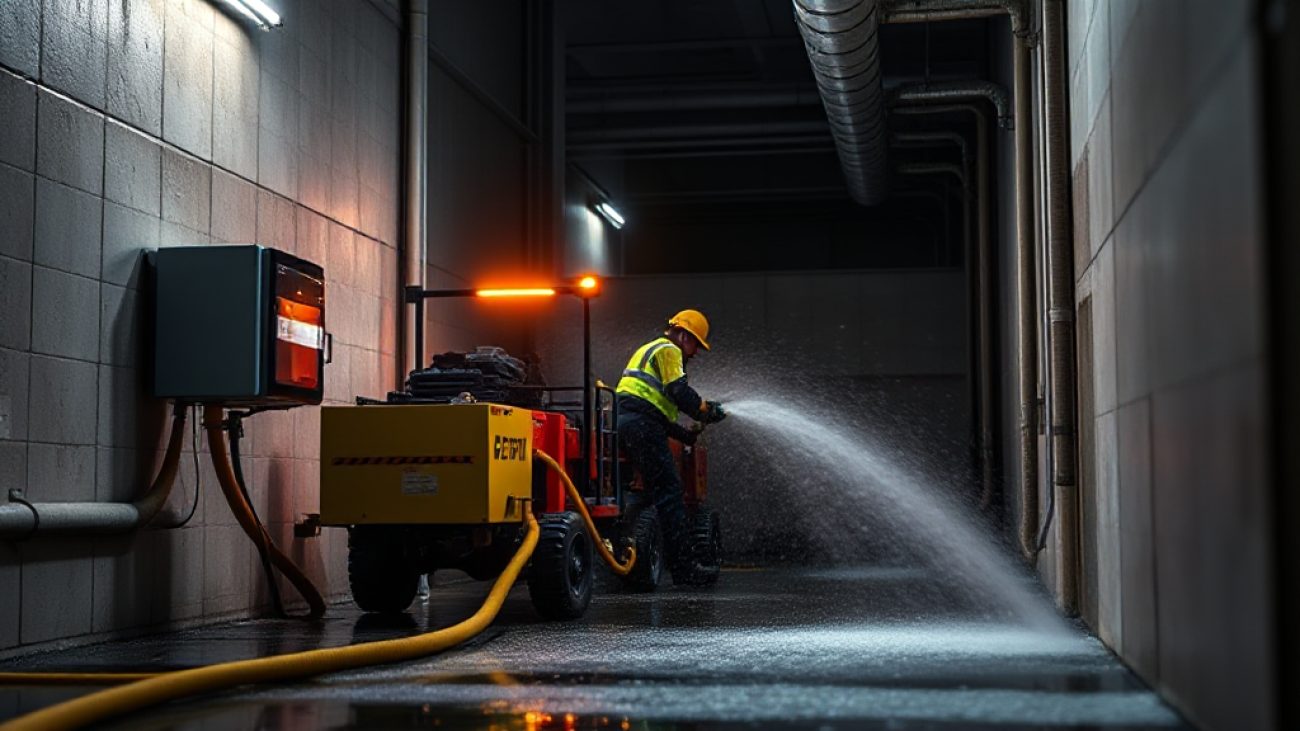
Most residential jobs are cleared with a mechanical auger or a high-pressure water jet. A desentupidora em Itatiba SP crew will match the method to the pipe: a cable machine for roots and solid obstructions, hydro jetting for grease and scale buildup along the pipe walls. If the technician proposes jetting, ask why; it is more thorough but should be justified by what the camera showed.
Step 5 — Testing and cleanup
Before the technician leaves, run water through every fixture on the affected line and watch for slow drainage or new backups. The work area should be left clean, and any access point they opened should be closed properly. Ask for a brief written summary of what was removed and what caused it.
Step 6 — Recommendations and follow-up
If the cause was grease, roots or a collapsed section, you should get a clear recommendation: a maintenance schedule, a repair referral, or nothing at all. A company that invents a repair need on a simple clog is a red flag.
Costs, Trade-Offs and Mistakes to Avoid
Price is where first-time customers get burned, mostly because they compare quotes that cover different things. Here is how to read the numbers sensibly.
What drives the price up or down
Four factors dominate: time of day, access difficulty, the method required, and whether the clog is in a private line or a shared building line. A standard weekday call for a single fixture sits at the low end; a night-time emergency with a camera inspection and hydro jetting sits at the high end. Square-metre size of the property is largely irrelevant — pipe layout matters far more.
| Job type | Typical effort | What to watch for |
|---|---|---|
| Single sink or toilet | Short visit, hand tools or small auger | Should be the cheapest tier; confirm no hidden inspection fee |
| Shared branch line | Longer visit, cable machine or jetter | Ask whether the cleanout access is included |
| Main sewer line | Camera inspection plus jetting | Request the camera footage or a summary |
| Septic tank or grease trap | Pump truck and disposal | Confirm disposal costs are included in the quote |
Common first-timer mistakes
- Pouring chemical drain cleaner into a fully blocked line, which can sit in the pipe and damage it.
- Hiring on price alone without asking what the fee covers.
- Ignoring a recurring clog instead of investigating the cause.
- Letting a technician start work before the scope and price are agreed.
The single most useful habit is to ask what the service call includes before anyone is dispatched. That one question separates a clear quote from an open-ended bill, and it is the difference most first-timers notice after the fact.
Another trade-off worth understanding: emergency service costs more but prevents water damage, while scheduled maintenance costs less but requires planning. If your property has had two or more clogs in a year, preventive maintenance is usually cheaper than repeated emergencies. Keep a simple log of dates, fixtures and causes; it makes future diagnosis faster and cheaper.
Closing Checklist and Common Questions
Use this checklist before, during and after the visit so nothing gets missed on your first job.
- Confirmed which fixtures are affected and stopped using water.
- Cleared access to the floor drain or cleanout.
- Asked about the service fee, emergency surcharge and what the quote covers.
- Received an explanation of the diagnosis before work started.
- Tested every fixture on the line before the technician left.
- Got a written summary of the cause and any follow-up recommendation.
If you follow those six points, you will have covered the parts of the process that most often go wrong for new customers.
Frequently Asked Questions
How quickly can a desentupidora in Itatiba arrive?
Response time depends on the time of day and how many crews are on call. Emergency services are set up for urgent backups, while standard appointments are usually scheduled for the next available window. When you call, ask for an estimated arrival range and confirm whether an after-hours surcharge applies.
Do I need to be home during the service?
For most residential jobs, yes. The technician needs access to the affected fixtures and the cleanout, and you should be present to approve the scope and price. For commercial or condominium properties, a manager or building representative can authorize the work instead.
Will the company also fix the cause, or only clear the clog?
Clearing the blockage is the core service. If the cause is a damaged pipe, root intrusion or a failing septic system, expect a recommendation for repair or a specialist referral rather than a full repair on the spot. Ask for that recommendation in writing so you can compare options.
Is hydro jetting always better than a cable machine?
No. Jetting is effective for grease and scale along pipe walls, while a cable machine handles solid obstructions and roots. The right choice depends on what the inspection shows, so ask the technician to explain why a particular method was chosen for your line.